
A Comprehensive Guide to Special Care During Pregnancy
I explore the essential components of prenatal care that are pivotal for ensuring the health and well-being of both mother and child. The research begins with a detailed examination of the definition and goals of prenatal care, highlighting its critical elements, including regular check-ups, screenings, and vaccinations. I emphasize the significance of early and consistent prenatal care in reducing complications, supported by relevant statistics and studies. Furthermore, I address the nutritional needs of pregnant women, outlining dietary guidelines and discussing common concerns such as gestational diabetes and nutrient deficiencies. Mental and emotional well-being is also prioritized, as I investigate the challenges faced during pregnancy and propose strategies for managing stress and promoting a balanced state of mind. The thesis culminates in a thorough discussion of prenatal medical visits, emphasizing their importance, the schedule of visits, essential screenings, and recognizing warning signs that require immediate medical attention. By addressing barriers to access and emphasizing the need for strong patient-provider relationships, I aim to provide a comprehensive resource for expectant mothers and healthcare professionals alike.
The Vital Role of Prenatal Care: Laying the Foundation for a Healthy Pregnancy

Pregnancy is a transformative journey that encompasses profound physical, emotional, and psychological changes. As such, it is essential to prioritize health during this critical phase to ensure both the mother’s and the baby’s well-being. Prenatal care, often referred to as antenatal care, plays a pivotal role in this process by providing a structured framework of medical attention, guidance, and support. This article delves into the significance of prenatal care, its components, benefits, and challenges, while exploring ways to overcome barriers to its accessibility.
Prenatal care refers to the medical and psychological support provided to a pregnant individual during their pregnancy journey. It encompasses regular check-ups, screenings, vaccinations, and counseling aimed at ensuring optimal health for both the mother and the developing fetus. The overarching goals of prenatal care are multifaceted: to monitor and maintain the physical health of the mother and baby, to identify and manage potential risks or complications, and to provide education and emotional support to the expectant mother. According to Barbosa et al. (2015), prenatal care is instrumental in reducing maternal and fetal complications, emphasizing the importance of timely and consistent care throughout pregnancy.
Moreover, prenatal care extends beyond physical health to address psychological and emotional well-being. Pregnancy can be a stressful period due to hormonal fluctuations, lifestyle changes, and the anticipation of childbirth. Prenatal care aims to support mothers through these challenges by fostering a sense of preparedness and confidence. As highlighted by Yan (2017), prenatal care not only improves maternal health but also influences health behaviors, promoting better outcomes for both mother and baby.
Prenatal care is a comprehensive process that involves several critical components designed to ensure the health and safety of both the mother and the fetus. Regular check-ups form the cornerstone of prenatal care, allowing healthcare providers to monitor maternal vital signs, fetal growth, and overall health. These visits provide an opportunity to detect and address potential complications early. According to Liu et al. (2015), adequate prenatal care is associated with improved postpartum outcomes, further underscoring the importance of routine check-ups during pregnancy.
Screenings and diagnostic tests are another essential aspect of prenatal care. Blood tests, urine tests, and genetic screenings help identify conditions such as gestational diabetes, anemia, and genetic disorders that could impact the pregnancy’s outcome. Diagnostic tools like ultrasounds and amniocentesis provide valuable insights into the fetus’s development and health. Tunçalp et al. (2017) emphasize that antenatal care is critical for identifying and managing risks, ensuring a positive pregnancy experience.
Vaccinations are also an integral part of prenatal care, protecting both the mother and baby from preventable diseases. For example, the influenza vaccine is recommended during pregnancy to reduce the risk of severe illness, while the Tdap vaccine protects against pertussis, which can be life-threatening for newborns. Alkhatib et al. (2023) highlight the importance of these preventive measures in safeguarding maternal and fetal health.
One of the most significant advantages of prenatal care is its ability to reduce the risk of complications during pregnancy and childbirth. Early and consistent care allows healthcare providers to identify potential issues, such as preeclampsia, gestational diabetes, and fetal growth restrictions, and address them promptly. Research by Barbosa et al. (2015) confirms that maternal and fetal complications are less likely to occur when prenatal care is utilized effectively.
Additionally, prenatal care has been shown to improve long-term outcomes for both mothers and babies. For instance, studies indicate that mothers who receive adequate prenatal care are less likely to experience postpartum complications and are more likely to adopt healthy behaviors (Liu et al., 2015). Furthermore, early prenatal care can lead to better birth outcomes, including reduced rates of preterm birth and low birth weight (Tunçalp et al., 2017).
Statistics further highlight the impact of prenatal care on maternal and fetal health. According to Downe et al. (2016), women who receive timely and adequate prenatal care have a significantly lower risk of adverse pregnancy outcomes compared to those who do not. This underscores the necessity of promoting access to prenatal care as a public health priority.
The quality of prenatal care is not solely determined by medical interventions; the relationship between the patient and healthcare provider also plays a crucial role. A strong patient-provider relationship fosters trust, open communication, and personalized care, all of which are essential for a positive pregnancy experience. As Peahl et al. (2020) note, patient preferences should be integral to care plans, highlighting the importance of collaboration and mutual understanding.
Effective communication between the patient and provider enables the expectant mother to express her concerns, ask questions, and receive tailored advice. This dialogue is particularly important in addressing individual needs and preferences, which can vary significantly among pregnant women. Carter et al. (2016) emphasize that group prenatal care models, which encourage peer support and shared experiences, can enhance the patient-provider relationship and improve overall satisfaction with care.
Despite its importance, many women face barriers to accessing prenatal care, which can have detrimental effects on their health and that of their babies. Socioeconomic factors, such as poverty and lack of insurance, are among the most significant obstacles. In Nigeria, for example, over one-third of pregnant women do not attend antenatal care services due to financial constraints (Fagbamigbe & Idemudia, 2015). This highlights the need for policies and programs that address economic disparities and ensure affordable access to prenatal care.
Geographical limitations also pose challenges, particularly in rural and remote areas where healthcare facilities may be scarce or inaccessible. Tobah et al. (2019) suggest that innovative care models, such as telemedicine and community-based interventions, could help bridge the gap and bring prenatal care to underserved populations.
Cultural and social barriers can further hinder access to prenatal care. For instance, traditional beliefs and practices may discourage women from seeking medical assistance during pregnancy. Educational initiatives that raise awareness about the benefits of prenatal care and dispel misconceptions are essential to overcoming these challenges.
Addressing the barriers to prenatal care requires a multifaceted approach that combines policy changes, community engagement, and technological innovation. Expanding insurance coverage and providing financial assistance to low-income families can help alleviate economic obstacles. Fagbamigbe & Idemudia (2015) advocate for government programs that subsidize antenatal care services to make them more accessible to disadvantaged populations.
Investing in infrastructure and healthcare resources in rural and remote areas is also critical. Mobile clinics, telemedicine platforms, and community health workers can bring prenatal care to regions where access is limited. According to Tobah et al. (2019), these initiatives have the potential to optimize outcomes for pregnant women while addressing geographical barriers.
Educational campaigns that promote the benefits of prenatal care and address cultural misconceptions are equally important. Collaborating with local leaders and organizations can help ensure that these messages resonate with the target audience. Carter et al. (2016) emphasize the role of community engagement in fostering a supportive environment for expectant mothers.
Prenatal care is a cornerstone of maternal and fetal health, offering a comprehensive approach to monitoring, protecting, and promoting well-being during pregnancy. By addressing physical, emotional, and psychological needs, prenatal care sets the foundation for a healthy pregnancy and positive birth outcomes. However, barriers such as socioeconomic disparities, geographical limitations, and cultural misconceptions continue to hinder access to this essential service.
To overcome these challenges, it is crucial to implement policies and programs that ensure equitable access to prenatal care for all women, regardless of their circumstances. By fostering strong patient-provider relationships, investing in healthcare infrastructure, and promoting education and awareness, we can empower expectant mothers to prioritize their health and that of their babies. As the research by Yan (2017), Liu et al. (2015), Barbosa et al. (2015), and others demonstrates, early and consistent prenatal care is not just a medical necessity; it is a key determinant of lifelong health and well-being.
Nutrition for Two: Fueling Optimal Health for Mother and Baby (Special Care During Pregnancy)

Pregnancy is a transformative journey, not just for the mother but also for the growing baby. During this critical phase, nutrition plays an indispensable role in ensuring the health and well-being of both. The dietary needs of pregnant women significantly increase, requiring a balanced intake of essential nutrients to support fetal development and maternal health. This section explores the core elements of prenatal nutrition, dietary guidelines, common challenges, and the consequences of neglecting nutritional requirements during pregnancy. Emphasizing evidence-based recommendations and practical solutions, it aims to empower expectant mothers with the knowledge to make informed dietary choices.
Mental and Emotional Well-being: Prioritizing a Balanced State of Mind During Pregnancy
Pregnancy is a transformative journey for women, marked by physical, emotional, and mental changes. While it is often celebrated as a joyful and life-changing experience, pregnancy can also bring a host of mental and emotional challenges. This section delves into the common psychological struggles women may face during pregnancy, the underlying factors contributing to these challenges, and practical strategies to foster mental well-being. Further, it will address the critical role of social support and early intervention in managing perinatal mood and anxiety disorders (PMADs).
Pregnancy is often accompanied by a range of psychological challenges. Anxiety, depression, and mood swings are among the most prevalent mental health issues faced by pregnant women. Anxiety during pregnancy can stem from concerns about childbirth, the health of the baby, and the ability to adapt to motherhood. Depression, on the other hand, may be triggered by hormonal fluctuations, feelings of isolation, or pre-existing mental health conditions. Mood swings, characterized by sudden shifts in emotional states, are also common due to the interplay of hormones and external stressors.
According to a study conducted by Fletcher et al. (2021), emotional well-being during pregnancy is influenced by multiple factors, including social interactions, past psychological history, and the ability to manage stress effectively. The researchers emphasize the need for healthcare providers to allocate sufficient time to discuss emotional well-being with pregnant women, as this could lead to early identification and management of mental health concerns. These findings underscore the importance of acknowledging and addressing mental and emotional challenges during pregnancy to ensure the overall health of the mother and baby.
Hormonal changes during pregnancy play a significant role in influencing mental health. The surge of hormones, such as estrogen and progesterone, can lead to heightened emotional sensitivity and mood fluctuations. While these hormonal changes are essential for the development of the fetus, they can also contribute to feelings of irritability, sadness, and anxiety. Mirzakhani et al. (2020) highlight the multidimensional nature of psychological well-being during pregnancy, noting that hormonal changes are closely intertwined with physical and emotional experiences.
Physical discomfort, including nausea, fatigue, and back pain, can further impact mental well-being. These symptoms can make daily tasks challenging and reduce a woman’s capacity to engage in activities she once enjoyed. Lifestyle adjustments, such as changes in work routines, dietary habits, and social interactions, can add to the emotional strain. Nguyen et al. (2022) found that self-care behaviors, such as maintaining a healthy diet and engaging in light physical activity, were positively associated with psychological well-being during pregnancy. This suggests that addressing physical discomfort and lifestyle changes through self-care can mitigate their impact on mental health.
To manage stress and promote relaxation, pregnant women can adopt several practical strategies. Mindfulness techniques, such as deep breathing exercises and guided meditation, have been shown to reduce anxiety and improve emotional resilience. Yoga, tailored for pregnancy, is another effective way to alleviate stress and enhance physical comfort. Battulga et al. (2021) emphasize the importance of incorporating mindfulness and relaxation techniques into prenatal care, as they foster a sense of control and emotional balance.
Meditation, specifically, can help pregnant women focus on the present moment and cultivate a sense of calm. This practice is particularly beneficial for managing anxiety and promoting sleep quality. Additionally, engaging in creative activities, such as journaling or painting, can serve as a therapeutic outlet for expressing emotions and reducing stress. Alderdice (2020) advocates for integrating well-being approaches into prenatal mental health care to support pregnant women in managing stress effectively. These strategies not only improve mental health outcomes but also contribute to a positive pregnancy experience.
Social support is a cornerstone of mental well-being during pregnancy. Having a strong network of family, friends, and healthcare professionals provides pregnant women with emotional reassurance, practical assistance, and a sense of belonging. Dillon-Wallace et al. (2016) highlight the role of social support in alleviating stress and enhancing overall well-being. The authors note that women who receive consistent support from their social networks are better equipped to navigate the challenges of pregnancy.
Healthcare providers play a vital role in fostering social support by encouraging open communication and addressing concerns with empathy. Community resources, such as prenatal support groups, can also offer a platform for women to share their experiences and seek guidance. Holness (2018) underscores the importance of addressing psychological factors during pregnancy through a collaborative approach involving healthcare providers and social networks. By building and maintaining strong relationships, pregnant women can feel supported and empowered throughout their journey.
Perinatal mood and anxiety disorders (PMADs) encompass a range of mental health conditions that can occur during pregnancy and the postpartum period. These include prenatal depression, postpartum depression, generalized anxiety disorder, and postpartum psychosis. Recognizing the signs and symptoms of PMADs is crucial for timely diagnosis and treatment. Common indicators include persistent sadness, excessive worry, difficulty concentrating, and changes in appetite or sleep patterns.
Shidhaye et al. (2020) emphasize the need for early identification of PMADs, particularly in low-resource settings where access to mental health services may be limited. The study found that women who received regular antenatal care and were accompanied by healthcare workers during visits were less likely to report anxiety during pregnancy. This highlights the importance of integrating mental health assessments into routine prenatal care.
Effective interventions for PMADs include psychotherapy, medication, and lifestyle modifications. Cognitive-behavioral therapy (CBT), for instance, can help women reframe negative thought patterns and develop coping strategies. Mazúchová et al. (2018) advocate for the provision of specialized care for pregnant women experiencing PMADs, emphasizing the role of healthcare providers in offering individualized support. By addressing PMADs promptly, healthcare professionals can prevent long-term consequences for both the mother and baby.
Prioritizing mental and emotional well-being during pregnancy is essential for ensuring a positive experience for both the mother and baby. By understanding the common challenges faced by pregnant women, addressing the impact of hormonal changes and lifestyle adjustments, and adopting practical stress management strategies, women can navigate this transformative period with resilience and confidence. The support of a strong social network and timely intervention for PMADs further contribute to optimal mental health outcomes. As highlighted by Holness (2018), a collaborative approach involving healthcare providers, family, and community resources is key to fostering psychological well-being during pregnancy. By investing in mental health care, we can empower expectant mothers to embrace the joys and challenges of pregnancy while safeguarding their overall health.
Navigating Prenatal Medical Visits: Ensuring a Safe and Healthy Journey
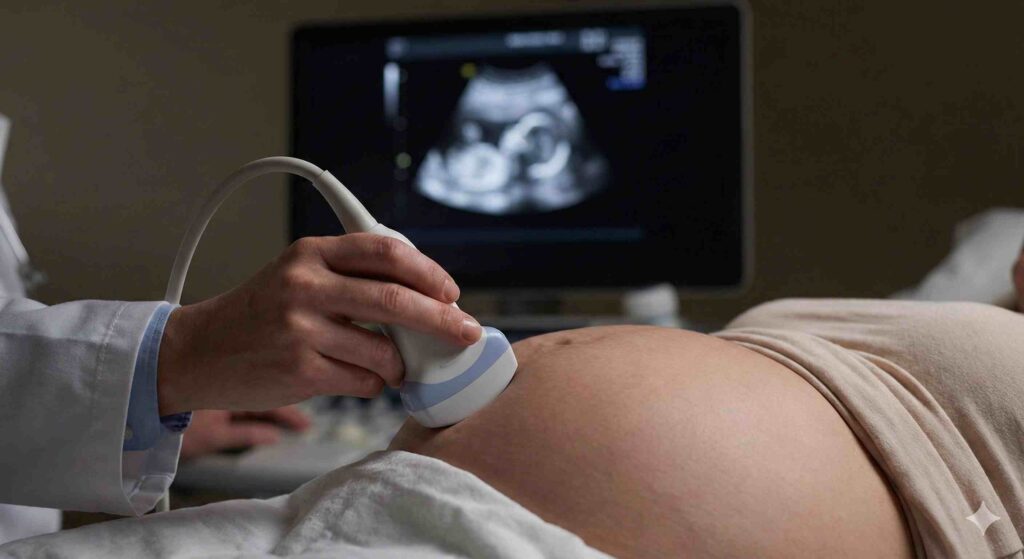
Understanding the Schedule and Purpose of Prenatal Visits
Prenatal care is an essential component of a healthy pregnancy, providing both the expectant mother and her developing baby with necessary medical and emotional support. This care involves a structured schedule of prenatal visits that serve as checkpoints for assessing and safeguarding maternal and fetal health throughout the pregnancy journey. In this section, we will delve into the typical schedule of prenatal visits, highlight key milestones and assessments during each stage, discuss the purpose of routine check-ups, and underline the significance of open communication with healthcare providers. By doing so, we aim to provide a comprehensive understanding of the integral role prenatal visits play in ensuring a safe and healthy pregnancy.
Essential Screenings and Diagnostic Tests During Pregnancy
Pregnancy is a transformative journey marked by profound physiological and emotional changes. To ensure the health and safety of both mother and baby, healthcare providers rely heavily on essential screenings and diagnostic tests. These medical assessments provide critical insights into the well-being of the pregnant individual and the developing fetus, allowing for timely interventions when necessary. Below, we will delve into the various types of screenings and diagnostic tests, their purposes, benefits, risks, and the ways they empower expectant mothers to make informed decisions.
Recognizing Warning Signs and Seeking Prompt Medical Attention
Pregnancy is a transformative and delicate phase in a woman’s life, requiring heightened attention to health and well-being. While it is often a joyous journey, it can also pose challenges, including potential complications that may arise unexpectedly. Recognizing warning signs and seeking prompt medical attention are crucial for ensuring the safety of both the mother and the developing baby. This section will discuss the importance of educating pregnant women about potential warning signs, emphasizing the need for timely medical care, and providing guidance on effective communication with healthcare providers during emergencies.
One of the most critical aspects of prenatal care is educating expectant mothers about warning signs and symptoms that could indicate a problem. Familiarizing women with these signals enables them to respond promptly and seek medical help without delay, which can significantly impact outcomes for both mother and baby. Some of the most common warning signs include severe abdominal pain, vaginal bleeding, decreased fetal movement, high fever, and sudden swelling of the hands or face.
Severe Abdominal Pain: While mild discomfort is common in pregnancy due to the stretching and growing uterus, sharp or persistent abdominal pain can be a sign of serious conditions such as preterm labor, placental abruption, or ectopic pregnancy (Marques et al., 2020). Placental abruption, for instance, occurs when the placenta separates from the uterine wall before delivery, potentially depriving the baby of oxygen and nutrients. A study conducted by Marques et al. (2020) indicated that early recognition and intervention in cases of placental abruption can significantly reduce the risk of maternal and fetal mortality.
Vaginal Bleeding: Although light spotting can be normal during early pregnancy, heavy bleeding or clots may indicate a miscarriage or other complications such as placenta previa, where the placenta covers the cervix, or preterm labor (Asfaw et al., 2016). Pregnant women need to understand the difference between normal and abnormal bleeding and seek immediate medical attention if bleeding is heavy or accompanied by pain.
Decreased Fetal Movement: Monitoring fetal movement is an essential practice during the later stages of pregnancy. A significant decrease or absence of fetal movements can indicate fetal distress or hypoxia, which requires urgent medical evaluation. Research by Curtin and Matthews (2016) highlights the importance of timely action in cases of decreased fetal movement, as intervention can prevent stillbirths and improve neonatal outcomes.
High Fever and Infections: Fever during pregnancy can be a sign of infection that may pose risks to both the mother and fetus. Infections such as urinary tract infections, influenza, or even COVID-19 can lead to complications if left untreated (Poon et al., 2020). Pregnant women should be educated about the importance of monitoring their temperature and seeking medical attention if they develop a high fever.
Sudden Swelling of Hands or Face: While mild swelling is common during pregnancy due to hormonal changes and increased fluid retention, sudden or severe swelling can indicate preeclampsia—a pregnancy complication characterized by high blood pressure and organ damage (Denison et al., 2019). Preeclampsia can have serious consequences, including preterm delivery and maternal death, making early detection and management critical.
Seeking prompt medical care for unusual symptoms is essential to ensure the well-being of both mother and baby. Early intervention can prevent complications from escalating and improve outcomes. However, many women may delay seeking medical attention due to various factors such as lack of knowledge, fear, or socioeconomic challenges.
Addressing Barriers to Seeking Medical Care: Socioeconomic factors, geographical limitations, and cultural beliefs can hinder access to timely medical care during pregnancy. A study by Marques et al. (2020) highlights the disparities in healthcare access for pregnant women, particularly those in low-resource settings. To address these barriers, healthcare systems must prioritize accessibility and affordability, ensuring that all pregnant women receive the care they need.
Empowering Pregnant Women to Advocate for Their Health: Pregnant women should be encouraged to trust their instincts and seek medical advice whenever they feel something is amiss. Creating awareness about the importance of maternal health and ensuring that women understand their rights can empower them to take control of their health (Asfaw et al., 2016).
Highlighting the Role of Healthcare Providers: Healthcare providers play a crucial role in addressing concerns and providing timely interventions. Building a strong patient-provider relationship fosters trust and ensures that women feel comfortable discussing their symptoms and seeking help.
Effective communication with healthcare providers is vital during emergencies to ensure that concerns are addressed promptly and accurately. Pregnant women should be equipped with the knowledge and skills necessary to convey their symptoms clearly and advocate for themselves in urgent situations.
Describe Symptoms Clearly: During emergencies, it is essential for pregnant women to describe their symptoms accurately, including their onset, duration, and severity. For instance, if experiencing abdominal pain, they should specify whether the pain is sharp or dull, constant or intermittent, and localized or widespread.
Ask Questions and Seek Clarification: Pregnant women should feel empowered to ask questions about their condition and treatment options. Healthcare providers can improve communication by using clear and simple language, ensuring that the patient understands the information provided (Cingi et al., 2022).
Utilize Emergency Services: In cases of severe symptoms, pregnant women should not hesitate to call emergency services or visit the nearest hospital. Timely action can make a significant difference in outcomes, especially in life-threatening situations (Sliwa et al., 2016).
Access Support Networks: Building a strong support network can help pregnant women navigate emergencies more effectively. Family members, friends, and community resources can provide emotional and logistical support, ensuring that the expectant mother receives the care she needs.
Utilize Telemedicine and Remote Consultations: The COVID-19 pandemic highlighted the importance of telemedicine in providing accessible healthcare services. Expectant mothers in remote areas or those unable to visit healthcare facilities in person can benefit from virtual consultations with healthcare providers (Poon et al., 2020).
Recognizing warning signs and seeking prompt medical attention are critical components of prenatal care. Educating pregnant women about potential symptoms, emphasizing the importance of timely intervention, and providing practical communication strategies can empower women to take charge of their health and ensure safe and healthy pregnancies. Healthcare systems must address barriers to accessing care and provide support to women in emergencies, creating an environment where maternal and fetal well-being is prioritized. By fostering collaboration between expectant mothers, healthcare providers, and support networks, we can pave the way for healthier pregnancies and brighter futures for families.
Enhance Your Pregnancy Health with Prenatalin
Along with lifestyle changes, nutrition, and exercise, many expectant mothers benefit from quality prenatal supplementation.
✨ That’s why we recommend Prenatalin — a complete prenatal supplement designed to:
-
Support healthy fetal development.
-
Boost energy and reduce fatigue.
-
Promote emotional balance.
-
Provide essential vitamins and minerals for mother and baby.
Click here to order Prenatalin today and make your pregnancy journey healthier, safer, and more confident.
References
Alderdice, F. (2020). Supporting psychological well‐being around the time of birth: what can we learn from maternity care?. World Psychiatry.
Alkhatib, A., & Alkhatib, I. (2023). The Critical Role of Prenatal Care: Promoting Optimal Health for Expectant Mothers and Their Infants in the Modern Era. PSM Veterinary.
Asfaw, F., & Bekele, M. (2016). Drug utilization pattern during pregnancy in Nekemte referral hospital: a cross sectional study. International Journal of.
Barbosa, I. (2015). Maternal and fetal outcome in women with hypertensive disorders of pregnancy: the impact of prenatal care. Therapeutic.
Battulga, B., & Benjamin, M. (2021). The impact of social support and pregnancy on subjective well-being: A systematic review. Frontiers in.
Byerley, B., & Haas, D. (2017). A systematic overview of the literature regarding group prenatal care for high-risk pregnant women. BMC pregnancy and childbirth.
Carter, E., Temming, L., & Akin, J. (2016). Group prenatal care compared with traditional prenatal care: a systematic review and meta-analysis. Obstetrics.
Cingi, C., Özel, H., & Muluk, N. (2022). ENT diseases: Diagnosis and treatment during pregnancy and lactation.
Curtin, S., & Matthews, T. (2016). Smoking prevalence and cessation before and during pregnancy: data from the birth certificate, 2014. National vital statistics reports: from the.
Denison, F., Aedla, N., Keag, O., & Hor, K. (2019). Care of women with obesity in pregnancy. Bjog.
Dillon-Wallace, J. (2016). Maternal employment, work experiences, and financial well-being of Australian mothers who care for young children with special health care needs. Journal of Family.
Downe, S., & Finlayson, K. (2016). What matters to women: a systematic scoping review to identify the processes and outcomes of antenatal care provision that are important to healthy pregnant women. Journal of Obstetrics.
Ee, C., Levett, K., Smith, C., & Armour, M. (2022). Complementary medicines and therapies in clinical guidelines on pregnancy care: A systematic review. Women and Birth.
Fagbamigbe, A., & Idemudia, E. (2015). Barriers to antenatal care use in Nigeria: evidences from non-users and implications for maternal health programming. BMC pregnancy and childbirth.
Fletcher, A. (2021). Midwives’ experiences of caring for women’s emotional and mental well‐being during pregnancy. Journal of Clinical.
Frazer, Z., McConnell, K., & Jansson, L. (2019). Treatment for substance use disorders in pregnant women: Motivators and barriers. Drug and alcohol dependence.
Gupta, S., Madke, B., Ganjre, S., Jawade, S., & Kondalkar, A. (2024). Cutaneous changes during pregnancy: A comprehensive review. Cureus.
Hodgins, S., Tielsch, J., Rankin, K., & Robinson, A. (2016). A new look at care in pregnancy: simple, effective interventions for neglected populations. PloS one.
Holness, C. N. (2018). High-risk pregnancy. Health Across the Lifespan, An Issue of.
Jahan, N., Went, T., Sultan, W., & Sapkota, A. (2021). Untreated depression during pregnancy and its effect on pregnancy outcomes: a systematic review. Cureus.
Liu, T., Chen, B., Chan, Y., & Chen, C. (2015). Does prenatal care benefit maternal health? A study of post-partum maternal care use. Health Policy.
Marques, B., Tomasi, Y., & Saraiva, S. (2020). Guidelines to pregnant women: the importance of the shared care in primary health care. Escola Anna.
Mazúchová, L., Kelčíková, S., & Dubovická, Z. (2018). Measuring women’s quality of life during pregnancy. Kontakt.
Mckinney, J., & Russell, M. (2023). A comprehensive care approach for pregnant persons with substance use disorders. International Journal of.
Mirzakhani, K., & Ebadi, A. (2020). Well-being in high-risk pregnancy: an integrative review. BMC Pregnancy and.
Mirzakhani, K., & Ebadi, A. (2023). Pregnant women’s experiences of well-being in high-risk pregnancy: A qualitative study. Education and Health.
Moore, K., & Suthar, M. (2021). Comprehensive analysis of COVID-19 during pregnancy. Biochemical and biophysical research.
Naseem, M., Khurshid, Z., & Khan, H. (2016). Oral health challenges in pregnant women: Recommendations for dental care professionals. The Saudi Journal for.
Nguyen, L., Nguyen, L., & Ninh, L. (2022). Women’s holistic self-care behaviors during pregnancy and associations with psychological well-being: implications for maternal care facilities. BMC pregnancy and.
Obeagu, E., & Chukwu, P. (2024). Maternal well-being in the face of hypoxia during pregnancy: A review. Int. J. Curr. Res. Chem. Pharm. Sci.
Padovani, C., Oliveira, R., & Pelloso, S. (2018). Syphilis in during pregnancy: association of maternal and perinatal characteristics in a region of southern Brazil. Revista latino-americana de.
Peahl, A., Smith, R., & Moniz, M. (2020). Prenatal care redesign: creating flexible maternity care models through virtual care. American journal of obstetrics and.
Peña‐Rosas, J. (2015). Daily oral iron supplementation during pregnancy. Cochrane database.
Poon, L., Yang, H., & Kapur, A. (2020). Global interim guidance on coronavirus disease 2019 (COVID‐19) during pregnancy and puerperium from FIGO and allied partners: Information for healthcare . of Gynecology.
Shidhaye, R., & Madhivanan, P. (2020). An integrated approach to improve maternal mental health and well-being during the COVID-19 crisis. Frontiers in.
Sliwa, K., Hagen, I. v., & Budts, W. (2016). Pulmonary hypertension and pregnancy outcomes: data from the Registry Of Pregnancy and Cardiac Disease (ROPAC) of the European Society of Cardiology. European journal of.
Souza, B., & Bussadori, J. (2020). Nursing and hospitalized high-risk pregnant women: challenges for comprehensive care. Revista da Escola de.
Tobah, Y., & LeBlanc, A. (2019). Randomized comparison of a reduced-visit prenatal care model enhanced with remote monitoring. American Journal of.
Tunçalp, O., & Pena‐Rosas, J. (2017). WHO recommendations on antenatal care for a positive pregnancy experience—going beyond survival. journal of obstetrics.
Yan, J. (2017). The effects of prenatal care utilization on maternal health and health behaviors. Health economics.